
Welcome to the fourth in our new series where Head Gardener Åsa and Head of Horticulture Steve share their expert advice on tackling your gardening and garden design dilemmas.
Gardening Dilemma - Part 6
POSTED 22nd July 2026

Welcome to the sixth in our new series where Head Gardener Åsa and Head of Horticulture Steve share their expert advice on tackling your gardening and garden design dilemmas.
'Dear Problem solvers ( we hope…)
My dilemma is that I decided to have a mound at the bottom of the garden … trying to hide the ugly building behind it. It is not that high but a friend said we would not get anything to grow on it because it would kill plants off at the top as they thirsted for water.
I am a gardener who likes insects, not too much formality and organic growing as much as possible. A couple of years ago I bought some plants from you and they are thriving very very happily.
We are based in Teddington which has underneath everything else London clay.
If you have any suggestions for the mound? We’ve actually bought a roll of duet which I thought we could cover it with before doing anything else.'
-Kitty
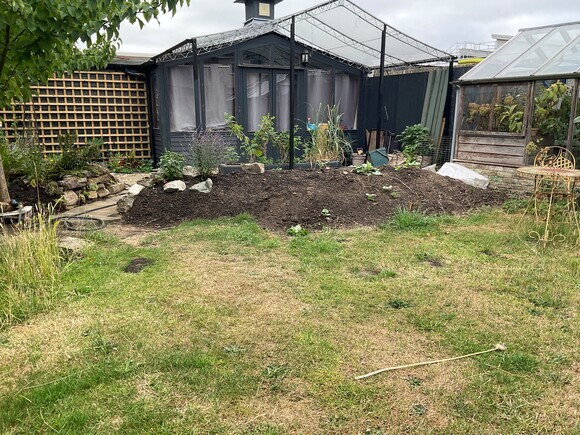
First of all, I don't think you've created a problem at all. Looking at the photo, I actually think the mound has the potential to become one of the nicest features in the garden. It already softens the view of the dark building and, once it's planted up, it will draw the eye towards the planting rather than the structure behind.
A mound will dry out more quickly than flat ground because water will naturally run down the slope and the top is slightly more exposed to sun and wind.
That doesn't mean it won't grow beautiful plants. It simply means choosing species that enjoy free draining conditions, particularly towards the top of the mound.
The soil
In some ways, the mound is actually an advantage.
Because your underlying soil is heavy clay, your planting choices would normally be more restricted. By adding a mound of good topsoil, you've created an opportunity to grow plants that prefer sharper drainage and would struggle in the surrounding ground.
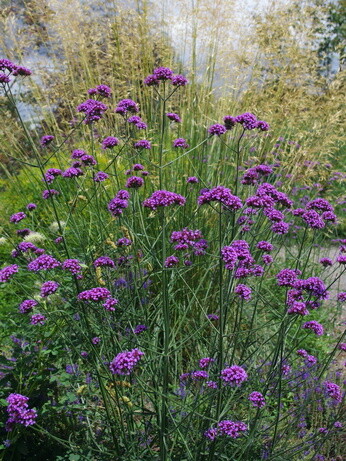
I can already see a verbena looking happy, so I'm assuming the area receives plenty of sunshine and that the imported soil drains well.
Some excellent choices would include:
- Verbena bonariensis
- Nepeta ('Walker's Low' is outstanding)
- Salvias (such as S. ‘Blue Spire’ and S. nemorosa cultivars)
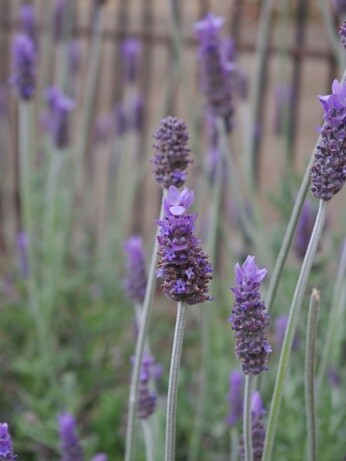
- Lavender
- Stachys byzantina
- Erigeron karvinskianus
- Achillea
- Baptisia
- Amsonia
- Hylotelephium (sedums)
- Oenothera lindheimeri (formerly gaura)
- Ornamental grasses such as calamagrostis or stipa
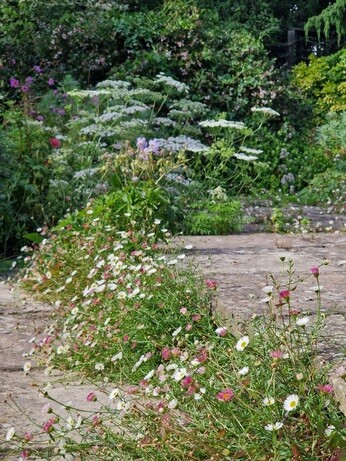
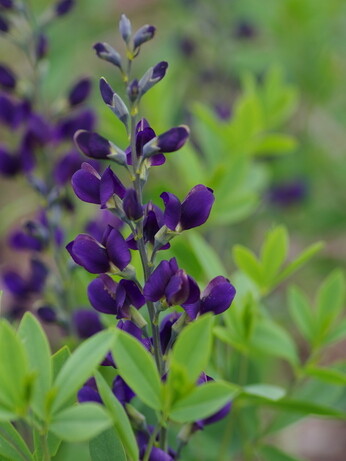
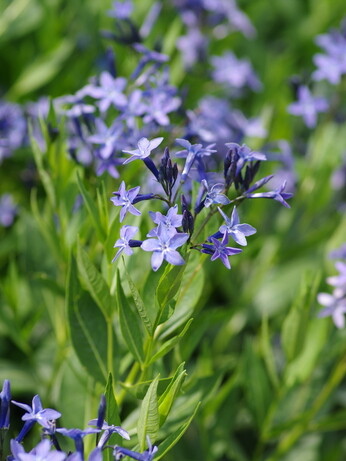
Rather than planting one of everything, use drifts of three or five of each variety. Repeating plants through the border creates a much more natural, cohesive look.
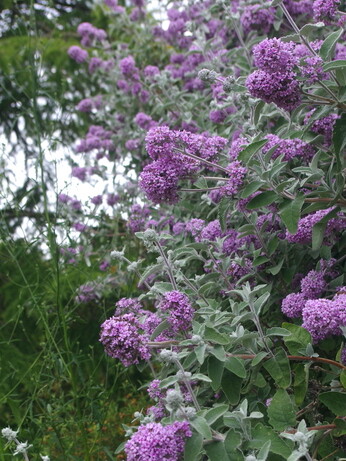
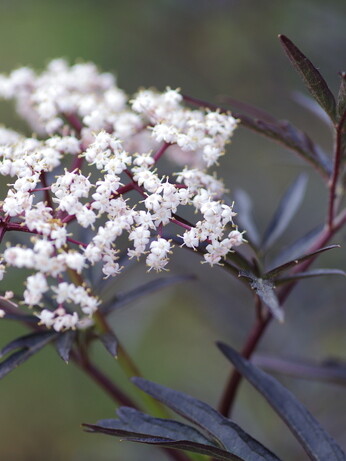
If the border is large enough, a fast-growing shrub could be planted at the back, to add some height and volume. Buddleja and Sambucus nigra ‘Eva’ can be pruned hard in late winter to restrict their size.
You could also introduce a few choice bulbs to weave through the planting, such as, camassia and alliums.
Mulching
A gravel mulch would suit this style of planting well. It helps conserve moisture, suppress weeds and visually ties everything together while complementing drought-tolerant plants.
Watering
The first growing season is the most important. Rather than watering little and often, give the mound a thorough soak once or twice a week during dry weather. Deep watering encourages roots to grow down into the soil instead of remaining close to the surface. After a year or two, you'll probably find the planting becomes surprisingly resilient.
Additional habitat for wildlife
One final thought from your photograph: the mound is quite smooth at the moment. I think it would look even better with a few more large stones, similar to those you've already placed on the left-hand side, partially buried into the bank and planted around. They'd make the mound feel much more natural rather than a pile of soil, help retain a little moisture around nearby plants, and provide warm basking spots for insects and other wildlife.
Overall, I think you've made a really good decision. It won't always look like a mound of bare soil, it's simply at the beginning of its journey. Given your informal, wildlife-friendly and organic style of gardening, I can easily imagine it developing over the next two or three years into a beautiful tapestry of grasses, perennial flowers and spring bulbs that almost completely distracts the eye from the outbuildings behind.
Be the first to hear about our next Gardening Dilemma invitation by subscribing to our newsletter HERE

Head Gardener Åsa
COMMENTS