
Few plants make quite such a dramatic statement in the garden as eremurus, commonly known as foxtail lilies or desert candles. Their towering flower spikes bring height, colour and a real sense of theatre to the border. In this week's feature we highlight two of our of our favourites.

Gardening Dilemmas - Part 1
POSTED 15th July 2026

Welcome to our new series, where Head Gardener Åsa and Head of Horticulture Steve share their expert advice on tackling your gardening and garden design dilemmas.
We have a south facing sandy soil garden. The boarders are approx. 3 years old and we have tried to plant to the conditions - drought tolerant / free draining soil etc. However it is so sad to see the plants struggling in the weather conditions we experience - not only do we have very little rain, warm temperatures but also more frequently a warm wind which seems to bake the plants.
I am following advice to improve the soil condition/plant windbreaks etc - but all this takes time and, in the meantime, we are needing to water more frequently the plants which look like they are suffering. I have several water butts and save grey water. I have even erected a beach wind break around one boarder to offer shade and a bit of respite.
Any tips of what to do to give the plants more of a fighting chance to thrive?
-Claire
Firstly, don't be too disheartened. Many gardeners have found that ‘right plant, right place’ has become a moving target over the last few summers. South-facing gardens on free draining sandy soil are experiencing the perfect storm of prolonged dry spells, higher temperatures and desiccating winds, so it's not surprising that even drought tolerant plants can look stressed.
What's coped well here
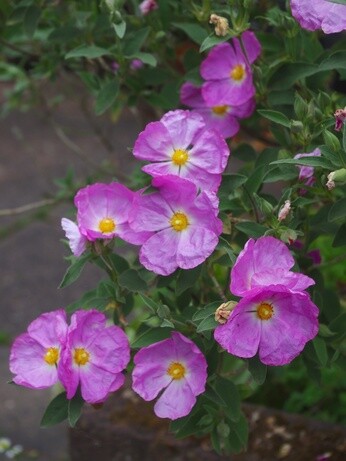
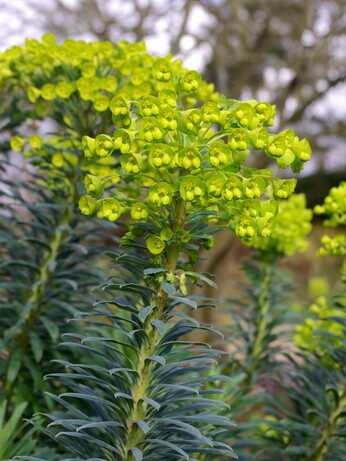
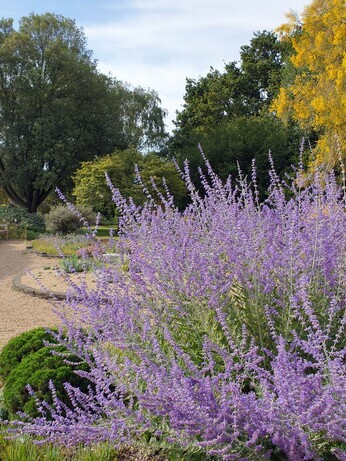
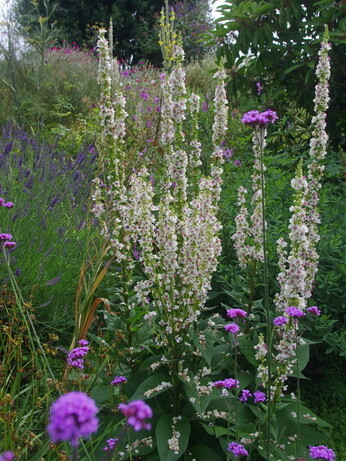
Here at Beth’s, perennials such as Nepeta x faassenii, Oenothera lindheimeri, Salvia ‘Blue Spire’, Verbena ‘Bampton’, Erigeron karvinskianus, agapanthus, eryngium and many types of euphorbia thrive in poor, free-draining soil, despite the heatwave and drought. Among the shrubs buddleja, Spartium junceum, Atriplex halimus, lavandula and cistus have held up well in the heat.
The encouraging news is that, as you've already discovered, improving the soil and establishing shelter will pay dividends - but there are a few things you can do in the meantime.
Effective watering
My biggest piece of advice is to water less often, but much more deeply. A daily sprinkle only wets the surface and encourages shallow roots. Instead, give plants a thorough soak once or twice a week (more often only if they're newly planted), allowing the water to penetrate well below the root zone. Plants with deep roots are far better equipped to cope with heat and drying winds. We only water when planting, which is mostly done in autumn, as this gives the plants plenty of time to establish before the weather turns hot and dry. The only exception being shrubs or trees with larger rootballs, which may require additional spot watering until established.
Soil protection
Next, think about protecting the soil rather than just the plants. Sandy soil loses moisture incredibly quickly, so keeping it covered – ideally with plants - is key. A generous 5–8cm mulch of garden compost or gravel will help reduce evaporation, moderate soil temperatures and gradually improve the soil's ability to hold moisture. Just bear in mind that some of the drought tolerant plants resent having their crowns covered by organic mulch (i.e. compost) in winter, as it tends hold too much moisture.
Protection from wind
Wind is often the forgotten factor. We tend to think only of the damage caused by the sun, but warm, dry winds can remove moisture from leaves faster than roots can replace it. Your temporary windbreak may not be pretty, but it's actually a sensible solution while permanent shrubs or hedges establish. Even a small reduction in wind speed can noticeably reduce plant stress.
It's also worth remembering that new plants are the most vulnerable. Borders that are only three years old are still establishing, and many perennials won't have developed the deep root systems that make them resilient. In another two or three years, you'll probably find the same plants are far less dependent on supplementary watering.
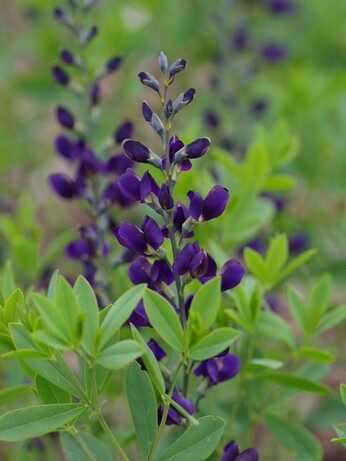
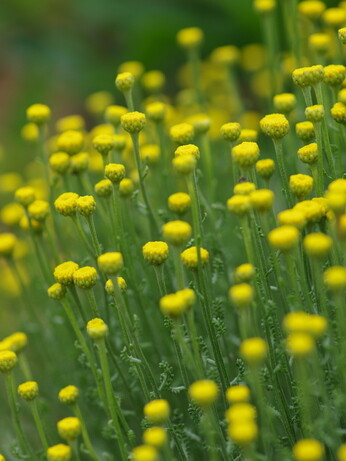
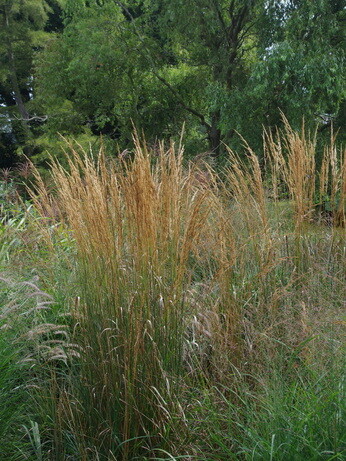
Finally, don't be afraid to edit your planting. Many traditionally recommended ‘drought tolerant’ plants cope with dry soil but dislike prolonged heat combined with drying winds. Plants with silvery or grey foliage, small leaves or deep tap roots - such as baptisia, Salvia ‘Blue Spire, santolina, cistus, euphorbia, verbascum and many ornamental grasses, often prove more resilient than those with lush, leafy growth.
One final thought: if you find yourself watering regularly despite doing everything ‘right’, don't see that as a failure. Using stored rainwater and recycled grey water, as you're already doing, is a sensible and responsible way of helping young plants through difficult periods while they establish.
With time, shelter from the wind and deeper root systems, you'll almost certainly find the garden becomes increasingly self-sufficient.
Be the first to hear about our next Gardening Dilemma invitation by subscribing to our newsletter HERE

Head gardener Åsa
So I might still get a spring flowering tree, a home for birds and insects and maybe even some rather sharp fruit that will make delicious plum jam... Nature has her own ways ?