
Find out what the propagation and garden teams have been up to this week.
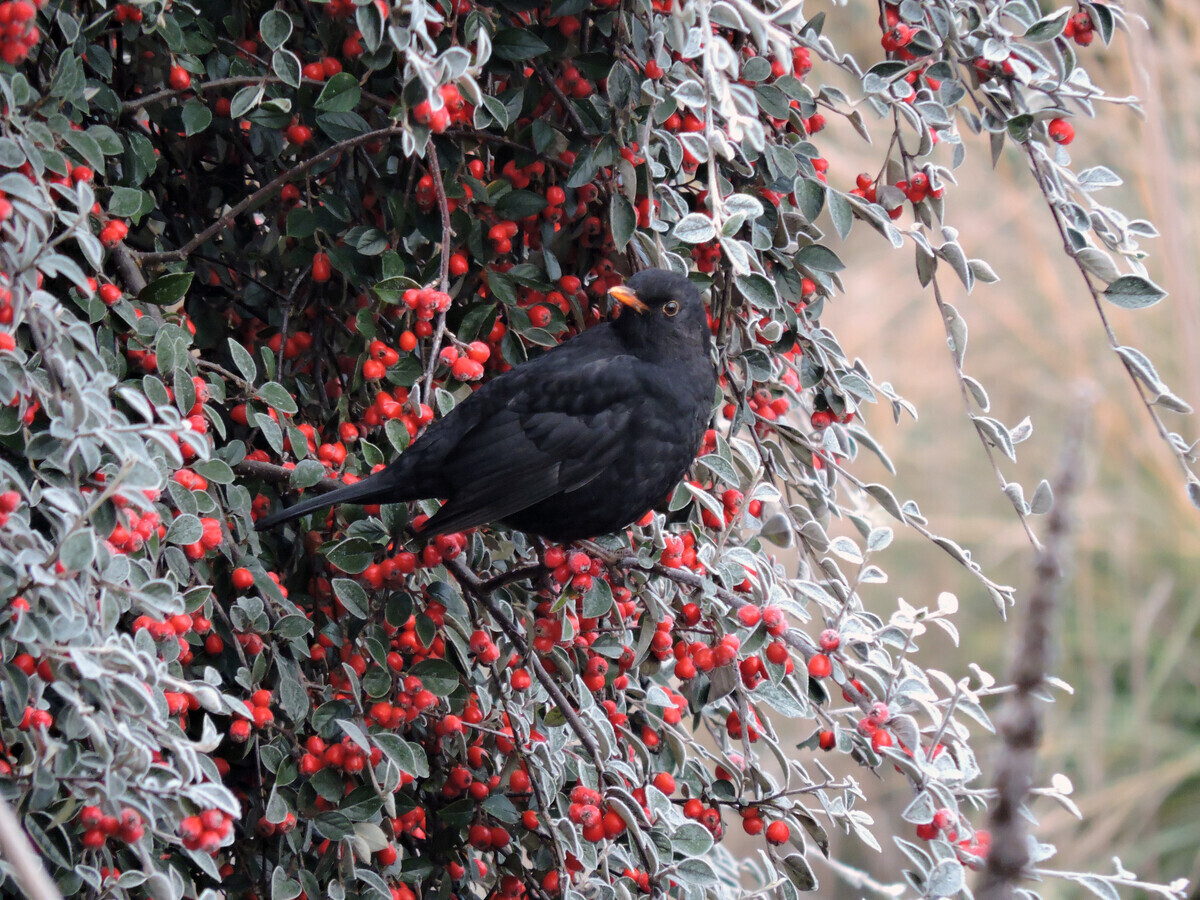
Gardening for wildlife in autumn and winter
POSTED 17th November 2026

Being able to garden is a privilege and with it comes a responsibility. The last few generations have seen vast change in terms of landscape and development across the country, which have had devastating consequences for our wildlife. Many garden practises over the last century have had a detrimental effect on our biodiversity. This ranges from widespread chemical use, implementation of wood and brick boundaries, and the neat and tidy garden aesthetic.
The State of Nature 2023 report found that 16% of all UK species are threatened with extinction. And, since 1970, UK species have declined an average of 19%.
Fortunately, at Beth’s we strive at the forefront to garden and grow with sustainability and biodiversity as the deciding factors on the choices we make. We are 100% peat-free, we do not use any chemicals, none, anywhere at all! And importantly, we implement practices which support our wildlife.
Autumn and winter are vitally important seasons for gardening where our choices are pivotal in protecting and encouraging biodiversity. So, here’s a few things we are doing in the damper, colder seasons, which we hope (if you’re not already) you will consider implementing into your gardening, to support life.
Give yourself a break (don't cut everything back)
Choosing not to cut back certain flower stems and grasses in the autumn and winter was a part of Beth Chatto’s aesthetic regime. It has become a core practise, a way of creating winter interest, demonstrating a garden’s ability to intrigue and to look beautiful during the colder and wetter seasons.
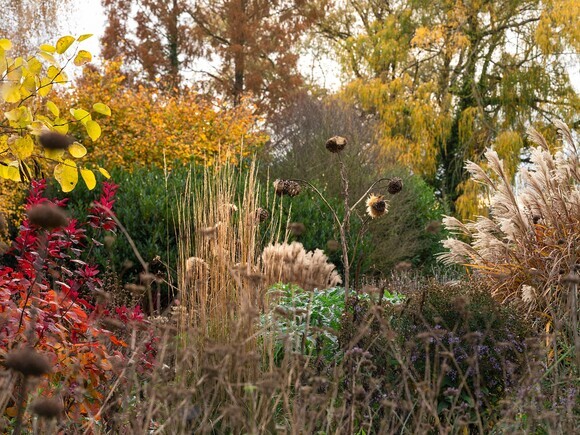
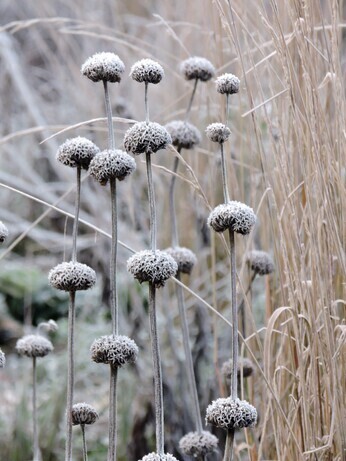
Herbaceous perennials such as verbena, echinacea, rudbeckia, phlomis, ggastache and hylotelephium are some of the key genera which the gardeners allow to stand tall through the autumn and majority of the winter. Whilst many grasses, such as stipa, eragrostis, miscanthus, and my personal favourite, pennisetum, are also left to capture the light of the low winter sun in their full splendour. It truly is a way of conjuring festive magic into our gardens, especially when the frost places itself upon these verticals, turning our beds into ice kingdoms, as graceful, frosted spires reach out from their foundations for a precious few hours on those colder mornings.
The benefit to wildlife
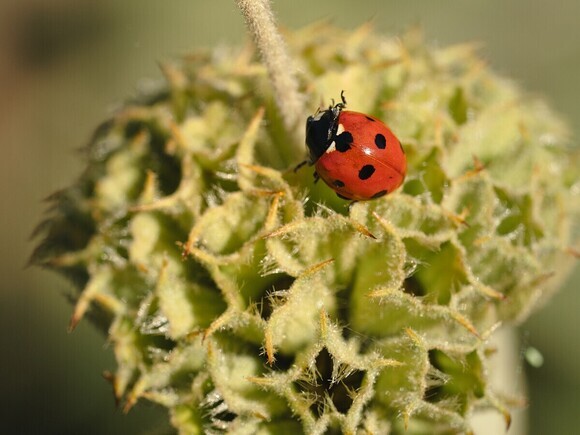
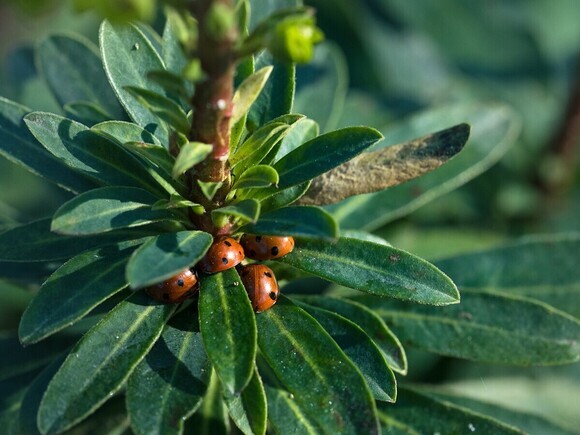
Leaving hollow stems, seedheads and grass tussocks gives our many fabulous animals, specifically insects, a place of shelter when the conditions are less kind. Ladybirds are one of these friends who will benefit from this, and to thank you for doing so, they will become your own miniature air force when they wake up, protecting your plants from those creatures who are less beneficial to your garden aesthetic and health.
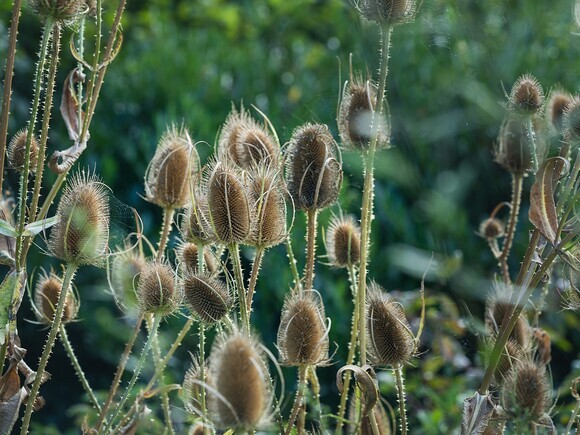
Seedheads can be a vital food source when pickings are sparce for wildlife too. Birds such as goldfinches and greenfinches will be grateful for the echinacea and miscanthus seedheads you have left for them, providing a much needed bit of nutrition when needed most.
Embrace the dead
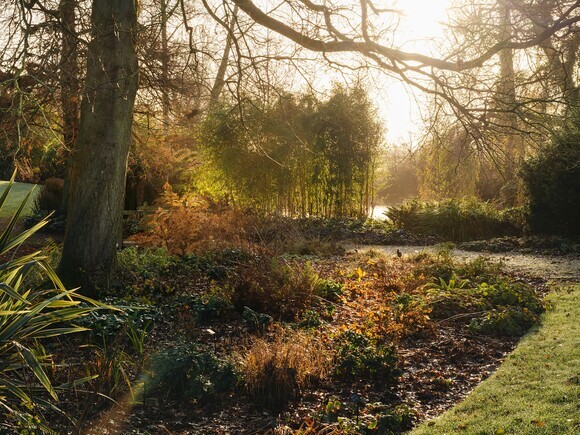
Is there any image more vivid than a carpet of fallen leaves summoned to the mind when we think of the autumn. Some of us might have trees on the land they care for, and even these great pillars of our landscapes can succumb to the harshness of the seasons. Perhaps in other times, the practise would be to rid our spaces of the fallen, but there is great power in death, and that power is life itself. It is important to make sure there is no danger - health and safety must be strictly followed, but, when possible, we can use what is no longer growing to support and perpetuate both our plants and our wildlife.
The benefit to wildlife
Leaf piles create a wonderful natural shelter for an incredible array of animals, notably hedgehogs, which need our help more than ever. Insects and invertebrates will sing your praises for gifting them a leaf pile too, and the robin might sing you a little song for creating such a fabulous menu. Decomposers, our unsung heroes of the garden do not sit idle amongst the leaves, they’re busy breaking it down, introducing organic matter back into the soil, helping our soil-dwellers thrive. This is my very basic way of saying how one act can have a huge positive impact on our ecosystem.
I’m not going to shy away from saying leaf piles can also house creatures which we would rather not see in our gardens, such as black vine weevil. But we have a choice, and choosing to support so many species who have, much to our own fault and detriment, suffered terribly…. all considering, I’d risk a few vine weevils every year. Besides, when we support our biodiversity, our gardens look after themselves. It finds its own balance! The ground beetles move in and keep those we warm to less at a more reasonable, natural level.
Stumps, branches and logs can be hidden amongst plantings, or placed courageously in safe spots, and these too will be adored by our wildlife. Perhaps the most famous are one of the priority species which we should be extra mindful in our conservation, and that is, of course, stag beetles. Decaying wood also gives a range of benefits to our soil health, so something to keep in mind over the autumn and winter when the number of falling branches and trees is at its highest.
Get creative
Of course, we all want our gardens to look a certain way, that maybe beautiful, or interesting, natural, but, if we our honest with ourselves we want our gardens to look like thought and effort have been made in them. As mentioned above, it is beneficial to wildlife to leave grasses and flower stems up, to not rid ourselves entirely of fallen leaves, branches and trunks. But often, some branches have to be moved, stems droop down of their own accord, and if we do not act it can make the spaces we care for look unloved. In these cases, we get out the snips and the wheelbarrow and gather up what we need to and return the aesthetic to looking like some degree of care has been placed upon it. Still, there’s a lot you can do with a collection of hollow stems, logs, leaves, pinecones, just to name a few things…
INSECT HOTELS! Build and get the monopoly on sustaining our wildlife.
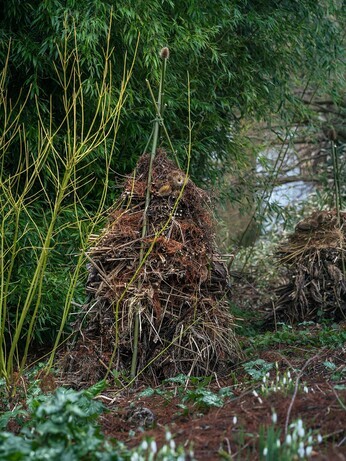
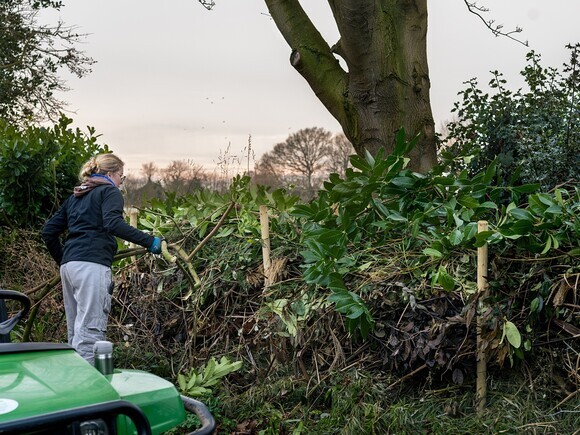
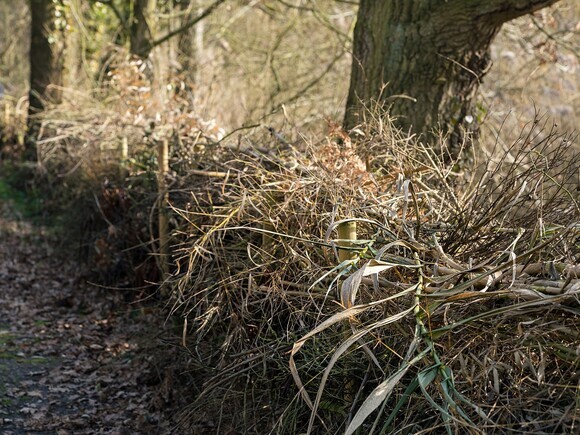
The benefit to wildlife
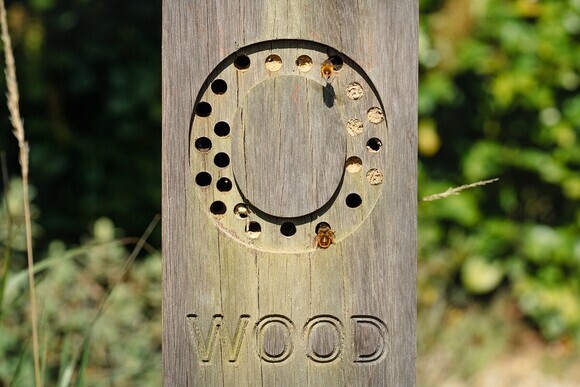
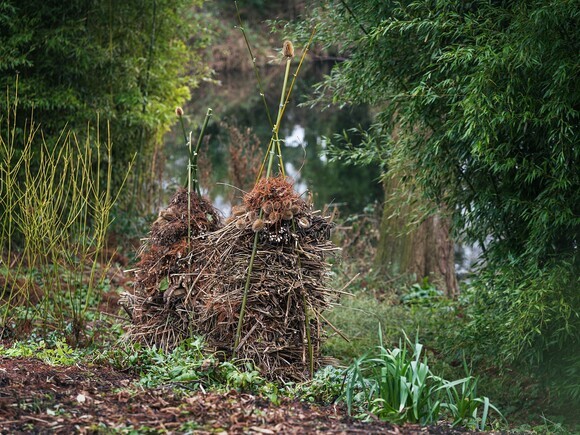
An insect hotel provides a habitat for those needing a place to overwinter and nest. In urban areas where there has been more severe habitat loss, these hotels can be vital for helping promote biodiversity. The gardeners at Beth Chatto’s have created a range of incredible insect hotels which showcase different ways we can use what we have tidied to help wildlife. It’s fun, it’s creative, and more significantly, it helps!
Ivy, Ivy, Ivy!
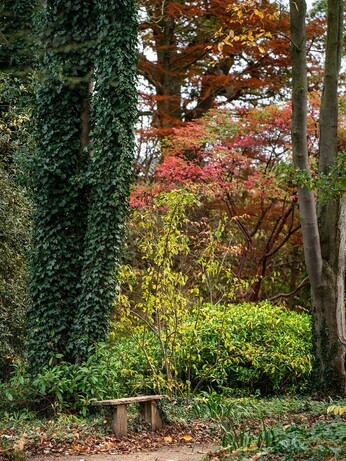
Plant more ivy! And help dispel the myth… It is not a parasite; it does not take nutrients from a host. It’s a super plant, with many species choosing to climb vertical structures as that’s how it has evolved to survive. I remember seeing a fallen tree covered in ivy and hearing an ill-informed passerby declare that the ivy had ‘sucked it dry’. This is false. Ivy can contribute to trees falling by creating a sail, or if growth is too thick branch damage can occur. Sometimes, ivy can affect the light levels a host receives. But essentially, it’s a super ally to our wildlife. Besides, there are many different types of ivy, some which prefer to creep across the ground, or grow into wonderful bushes rather than reaching for the heavens. PLANT IT!
The benefit to wildlife
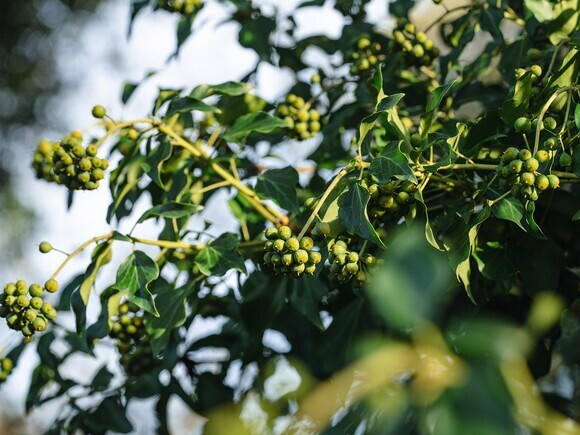
Ivy is one of the most important plants you can introduce to your gardens when endeavouring to support wildlife. It’s one of the last things to flower, often between September and November, granting many animals a nutritional boost before winter’s desolation. Its late-ripening fruits are crucial for birds if we get, as we often do, a cold snap in Feb/March when almost all other berries stripped from the landscape. The evergreen nature of ivy also means it provides that needed shelter when the climate is at its most treacherous. Moths adore feeding on ivy in the autumn months, which is one of the reasons why bats and birds are great supporters of more ivy planting.
In some cultures, ivy is a symbol of protection, and it should be in horticulture too! For it protects a host of species through the winter, providing shelter and a much-needed source of nutrition when the richness of the summer has waned.
There we have it! Four practices, four choices we can make at this time of year to assure we are gardening sustainably, with biodiversity at the forefront of the future of horticulture. I hope many of you have heard what I have touched upon before, but we must keep pushing, repeating and striving for wildlife centric gardening. I would encourage all to look deeper into each of these subjects. There are some incredible resources out there to read and learn from. By sharing knowledge and ideas we can play our part in creating a future where each of us feel a responsibility for life and understand what a wonderful privilege it is to be a part of.
By Rob

COMMENTS